
Today, more than 70% of wellness shoppers are choosing natural anti-aging solutions. Modern users often look for formulas that provide both skin-applied and inside-out results. That growing interest is renewing the renewed popularity of interest in Hydrolyzed Pearl Powder. Pearl powder connects traditional wellness use with contemporary formulation science, offering a gentle skincare active. It is commonly chosen for mature-looking skin, dullness, and redness-prone skin as part of a balanced routine.
Hydrolyzed Pearl Powder
Nano Pearl Powder
Nano Pearl Powder
This article explores what processed pearl powder is and the beauty advantages it may offer for the skin barrier and overall health. It also guides how to compare reliable and tested options. We also discuss why advanced pearl powder forms support better uptake and protect amino acids and minerals. We additionally mention MIGU Pearl Powder Manufacture and its traceable Deya source base. They offer carefully sourced pearl and shell materials, built on over a quarter-century of experience.
For U.S. readers comparing inside-out beauty ingredients, this guide offers usable advice. The discussion includes topical use, internal use, and ways to evaluate different grades of pearl powder. This includes nano pearl powder, fine-textured pearl powder, and hydrolyzed water-friendly pearl powder.
Essential Takeaways
- Advanced pearl powder connects longstanding cosmetic traditions with advanced refinement for greater usability.
- Beauty benefits of pearl powder include age-supportive, radiance-supporting, and comforting effects for the complexion.
- Pearl powder for skin can be applied externally or used internally depending on intended use.
- MIGU Pearl Powder Manufacture and the Deya pearl base offer sourcing transparency and production experience.
- Look for hydrolyzed, nano, or water-friendly forms for better dispersion.
How Hydrolyzed Pearl Powder Is Made
Hydrolyzed pearl powder refers to a processed form of pearl material. It is processed to support mixability and uptake for external and internal routines. It comes in various forms, including nano pearl powder and ultrafine pearl powder, it supports different uses. Common formats include face serums, masks, and creams to oral products.
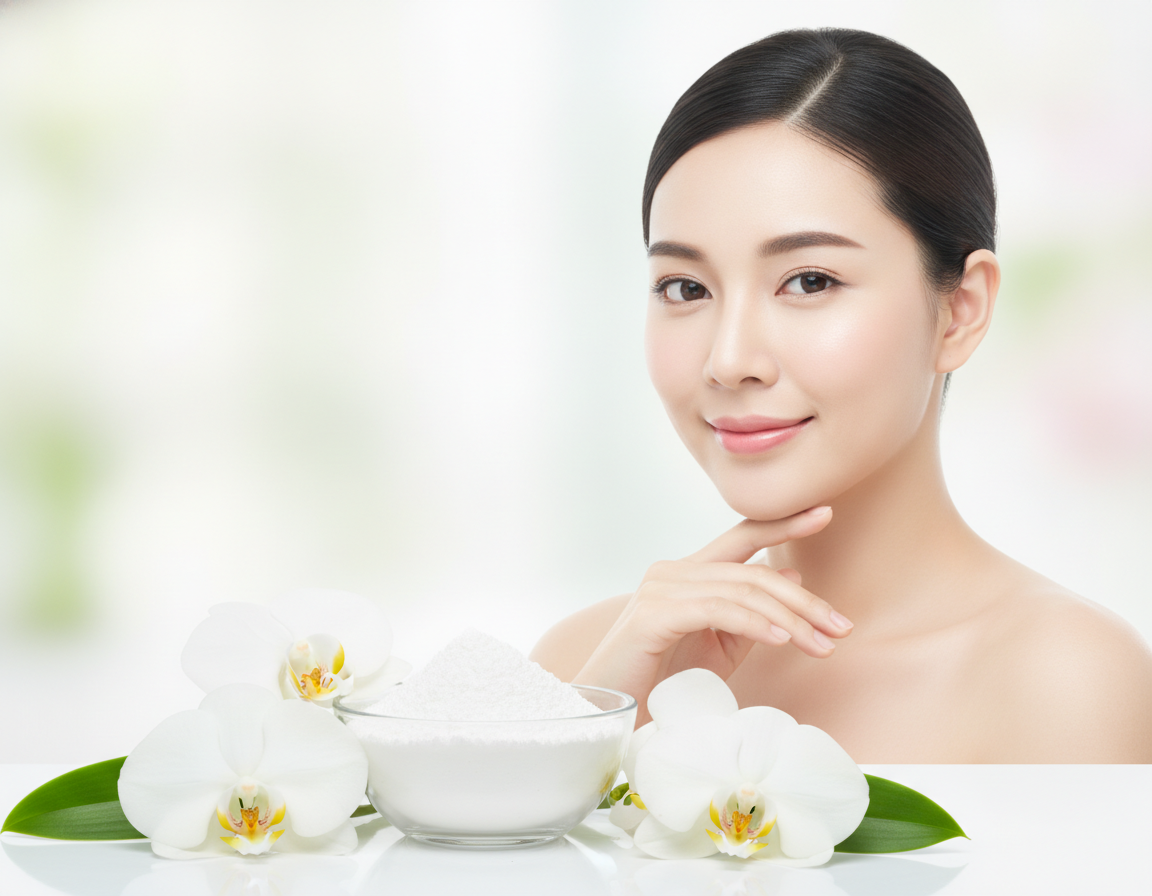
MIGU PEARL POWDER MANUFACTURE coordinates an integrated supply chain. The process begins at the Deya breeding base, leveraging over 25+ years of experience. The operation raises pearls in multiple Chinese provinces including Anhui, Hunan, Hubei, and Jiangxi. The network provides a consistent supply of raw materials. The yearly production volume of pearls, shells, and related products is nearly 5,000 tons, making possible industrial supply.
The manufacturer applies an temperature-controlled physical process. The technique reduces pearls into nano and ultrafine particle ranges without damaging chemical alteration. Through this process, one 6 mm pearl can yield approximately 216 trillion particles. The result is stable nano pearl powder in the about 40–100 nm range and ultra-small fractions for enhanced absorption. The method helps preserve amino acids and trace minerals, improving the mixability of water soluble pearl powder.
Quality control is a priority, managed in an on-site R&D lab. The facility includes specialized equipment for quality verification. The equipment may include HPLC, UPLC, GC-MS, ICP-MS, HPTLC, and microbiology suites. These tools ensure the finished hydrolyzed pearl powder and ultrafine pearl powder meet stringent standards. The materials are tested for compliance with cosmetic, food, and pharmaceutical requirements in various markets.
The right grade depends based on intended use. Nano pearl powder is often chosen for lightweight formulas and transdermal delivery. Superfine pearl powder is suitable for rich creams and facial masks. Hydrolyzed water-friendly forms suit clear liquids and wellness beverages. Detailed labels, testing records, and supply traceability from the Deya base to MIGU Pearl Powder Manufacture support reliable quality and safe supply for manufacturers and formulators.
Skin Benefits Of Pearl Powder
Pearl powder has long been a traditional staple in traditional beauty and contemporary skincare. The material offers amino acids, trace minerals, and bioactive peptides. Such compounds help nourish a healthier-looking complexion. It’s used for radiance-focused daily routines and fine-line-focused skincare.
Age-Supportive Benefits
This ingredient provides raw materials for collagen and tissue repair. Smaller particle grades ensure more uniform blending, contributing to more consistent delivery. That may enhance age-supportive results, reducing fine lines and promoting skin elasticity.
Tone-Evening And Brightening Benefits
The natural compounds in pearl powder support a fresher-looking glow and complexion clarity. Water soluble pearl powder dissolves smoothly in serums and creams, helping create an even tone. It can be a valuable addition to products aimed at brighter-looking skin.
Soothing Support And Repair
Pearl powder has long been used to comfort irritated-looking skin and contributes to skin recovery. The fine texture plus retained bioactives are useful for sensitive skin. Used in masks or creams, it reduces redness and supports barrier repair.
How To Use Pearl Powder Topically
Different pearl powder grades perform in different ways. Masks benefit from superfine grades mixed with traditional carriers like honey or aloe. Clear formulas typically use hydrolyzed pearl powder to reduce grittiness. The right product grade impacts skin feel, formula stability, and visible results.
Traditional Uses And Health Benefits Of Pearl Powder
Traditional wellness systems have treated pearl powder as a meeting point between ancient remedies and modern supplements. Here we review its internal use, old-world wellness applications, nutrient preservation through nano processing, and safe-use guidelines for those curious about pearl powder wellness use.
Pearl Powder As A Supplement
In many traditions, oral use of pearl powder is a traditional routine for wellness and complexion support. Current products may include various forms, including soft capsules or tablets, powder for teas, milk, or drinks, and sublingual preparations. Historical serving ranges are often cited as 0.3–0.6 g daily, used in traditional tonic routines.
Inside-out beauty routines are designed to support skin health from within. Many first-time users choose capsules or a measured scoop in tea or milk. It is important to follow the product label for serving size and use the manufacturer guidance.
Historical And Medicinal Shell Powder Uses
Traditional medical systems have used processed shell powder for restlessness, uneasy heartbeat sensations, and nighttime rest concerns in both grown users and younger patients. TCM formulators and classical herbal practitioners have incorporated pearl or shell powders into formulas. They are used in relation to emotional settling and calming needs.
Some traditional routines continue, with practitioners adding powdered shell to calming decoctions. Healthcare perspectives can vary, so individuals with ongoing health concerns should consult a healthcare professional before starting pearl or shell powder.
Nutrient Profile
Pearl-derived material offers a complex mix of amino acids, calcium, and minor minerals. Analytical work can identify tiny peptide fractions and functional compounds that can influence skin appearance and broader body systems. MIGU’s ultra-low temperature nano method aims to retain these nutrients.
Nano processing that produces particles around roughly 40–100 nm enhance dispersibility and bioavailability. The finer grade reinforces claims about pearl powder performance by preserving delicate compounds and producing a more refined and bioavailable ingredient.
Pearl Powder Safety Guidelines
Product-grade testing is critical for oral products. Trustworthy producers use heavy-metal testing, pesticide assays, and microbiological testing to protect end users. MIGU’s testing protocols include these analytics to ensure purity and safety.
Traditional serving amounts give a traditional reference point: 0.3–0.6 g daily for broad tonic use. Manufacturers may provide different amounts based on concentration and formulation. People who are pregnant or breastfeeding, and those with ongoing medical issues or on prescription medicine, should speak with a healthcare professional before adding oral pearl powder to a routine.
| Category | Traditional Practice | Current Guidance |
|---|---|---|
| Format | Loose powder used sublingually or blended into teas | Measured powders, capsules, or sublingual products |
| Traditional intake range | Roughly 0.3–0.6 g daily | Follow product label; doses vary by extract strength |
| Claims | Calming effects and support for palpitations | Support for skin health and mineral supplementation |
| Key nutrients | Calcium compounds, amino acids, and trace minerals | Same nutrients; nano processing may improve retention and absorption |
| Quality checks | Traditional sourcing and processing methods | Heavy metals, pesticide residue, microbial screening, content assays |
Using Hydrolyzed Pearl Powder Safely And Effectively
Pearl powder is adaptable for topical care and internal wellness. This section gives steps for topical blends, safe oral methods, formula pairings, and shelf-life care. It offers short, clear tips to start confidently and reduce avoidable problems.
For topical use, choose the powder’s texture and solubility to your product type. Choose nano or superfine pearl powder in masks to avoid grit. For clear serums and creams, choose water-dispersible pearl material for smooth, even suspension.
Use modest levels at first. Incorporate 0.5 to 2% by weight into neutral carriers and test on a small skin patch. For masks, blend 1–3 teaspoons with honey, yogurt, or aloe to create a spreadable paste. If irritation appears, stop use and consult a dermatologist.
For supplement-style use, use label directions and traditional ranges as references. Older dosage guidance lists about 0.3–0.6 g per dose. Today’s products are not all identical, so read the manufacturer label and stay within recommended amounts without medical advice.
Placing the powder under the tongue can improve contact with mucous membranes. Adding pearl powder to warm, non-acidic beverages is another common method. Skip boiling liquids that could reduce the integrity of sensitive nutrients. If you use medicine, herbs, or supplements should speak with a clinician before using it internally.
Pearl powder pairs well with many popular cosmetic ingredients. Use alongside vitamin C for brightening effects and HA for plumper-looking skin. Use peptide serums with nano pearl powder to support delivery in light serums.
Be careful when layering alongside potent treatments. If you use retinoids, acids, or strong exfoliating products, apply pearl-containing products on alternate nights or apply sparingly to reduce the chance of irritation. Select a water-dispersible pearl grade for serum formulas that include vitamin C to support stable-looking dispersion.
Proper storage matters. Store containers tightly closed in a low-humidity area away from heat and sun exposure. Depending on processing, powdered products may last 12 to 24 months depending on processing and additives. Follow supplier instructions for best-use dates and stop using if it develops an unusual odor or discoloration.
Match the pearl powder grade to your goal. Use nano-grade pearl powder for formulas that need light delivery and near-transparent appearance. Use superfine pearl material for masks and exfoliating applications where tactile presence is acceptable. Hydrolyzed, water-dispersible pearl materials work well in liquid and emulsion systems that need consistent suspension.
| Routine Type | Recommended Grade | Common Level | Helpful Notes |
|---|---|---|---|
| Serums and clear solutions | Water soluble pearl powder, hydrolyzed pearl powder | 0.5 to 2% | Helps maintain clear blending; pair with brightening or hydrating actives |
| Facial masks and paste treatments | Fine-textured pearl powder | About 1–5%, depending on mask base | Use hydrating carriers to soften texture and improve spread |
| Supplement routines | Small-particle or hydrolyzed pearl powder | 0.3 to 0.6 g per serving, according to label | Sublingual use or mixed into warm, non-acidic drinks; consult healthcare provider |
| Fast absorption topical blends | Small-particle pearl powder | 0.5–2% | Best for lightweight formulas that demand quick uptake and minimal residue |
What To Look For When Buying Pearl Powder
Choosing quality pearl powder requires clear criteria. Choose products that identify Hydrolyzed Pearl Powder, nano pearl powder, superfine pearl powder, or water soluble pearl powder. Those names point to solubility, particle size, and intended use. Match the grade to your product type: nano for absorption, superfine for masks, and water soluble grades for liquids, serums, and drinks.
Supplier credibility matters. Opt for manufacturers with a longstanding background and traceable farms. MIGU Pearl Powder Manufacture is notable for a lengthy history and Deya breeding base operations. Manufacturers that disclose processing methods, yearly capacity, and sourcing locations can inspire more confidence than those with vague claims.
Any serious quality statement should have proof. Seek Certificates of Analysis that include heavy-metal testing, pesticide residue analysis, and microbiology results. Testing performed with ICP-MS, HPLC, or GC-MS give clearer proof of quality and batch reliability.
Where you buy pearl powder should depend on your goals. When buying in commercial volume, buying directly from a producer often offers more direct cost control and batch-level testing records. For personal-use purchases, choose trusted marketplaces or established cosmetic suppliers that share testing details and transparent ingredient information.
Use the following checklist to compare products:
- Claim clarity: hydrolyzed pearl powder or water soluble pearl powder explicitly named.
- Particle data: nano pearl powder with particle size ranges shown.
- Independent or documented testing: metals, microbes, and residues should be verified.
- Manufacturing clarity: source base, technology, and production scale should be explained.
- Label use cases: topical or oral instructions and recommended dosages.
| Factor | What To Look For | Why It Matters |
|---|---|---|
| Pearl Powder Type | Clear grade names such as hydrolyzed, nano, superfine, or water soluble | Helps match the product to skincare, supplement, or formulation needs |
| Manufacturer | MIGU PEARL POWDER MANUFACTURE or other traceable suppliers with breeding bases | Controlled sourcing supports safer and more reliable production |
| Batch Verification | CoA with ICP-MS, HPLC, GC-MS, microbiology reports | Provides evidence for quality, cleanliness, and consistency |
| Where To Buy | Direct producers, reliable online retailers, or known cosmetic suppliers | Manufacturer sourcing fits bulk buyers, while retailers suit personal use |
| Product Disclosure | Full ingredients, grade information, and intended-use guidance | Helps match product to intended routine and prevents misuse |
Anyone searching for high-quality pearl powder should prioritize clear origin details and documented CoAs. If you wonder where to buy pearl powder, start with suppliers that share batch testing or allow direct contact for documentation. This buying strategy helps reduce uncertainty and supports finding a product that meets your skin or supplement goals without guesswork.
Pearl Powder Type Comparison: Nano, Superfine, Water Soluble, And Medicinal Shell Powder
As you compare pearl powder grades, it’s essential to consider texture, solubility, and historical purpose. Processing strongly affects the product’s mouthfeel, blendability, and uptake during internal use. Here are practical comparisons to help with better product selection.
How Particle Size Affects Absorption
Nano pearl powder, with particles ranging from roughly 40–100 nanometers, is valued for fast dispersion through the topical and sublingual pathways. The ultra-low temperature physical nano method ensures the preservation of proteins and trace minerals. This method also minimizes clumping.
Superfine pearl powder, with larger particles, works mainly as a surface-level ingredient. It’s ideal for masks that offer gentle surface contact and soft exfoliating action. Yet, it hinders fast internal uptake.
Differences In Use And Performance
Water soluble and hydrolyzed pearl powder types blend with water-based liquids, gels, and serums. They blend seamlessly, brighten the skin, and support collagen pathways when applied topically. Oral supplements utilizing hydrolyzed pearl powder focus on improved bioavailability for oral use.
Medicinal shell powder is deeply rooted in traditional medicine for its traditional soothing properties. It appears in older medicinal recipes where the full shell composition are part of the desired traditional outcome.
Use Cases
- Anti-aging topical: nano or water soluble pearl powder in serums and creams for collagen support and skin resilience.
- Brightening formulas: water soluble and nano grades help support luminosity and a more even-looking tone.
- Supplement use: pearl powder and medicinal shell powder may appear in traditional tonic preparations.
- Texture-focused products: superfine pearl powder works in masks, scrubs, and surface-action formulas.
Price Versus Quality
MIGU’s large scale and Deya breeding base reduce costs through mass production and strict supply control. This makes advanced hydrolyzed and nano pearl powder options more accessible than limited-output alternatives.
When evaluating price vs quality, it’s vital to compare testing documentation and manufacturer statements. High-quality, ultra-fine nano grades and carefully tested hydrolyzed pearl powder command premium prices. That pricing reflects their validated safety and performance.
Conclusion
Hydrolyzed Pearl Powder comes in nano, superfine, and water soluble forms, may offer several advantages for the skin and overall health. Its anti-aging effects, skin brightening, and soothing properties are widely discussed. The best results are more likely when sourced from traceable and well-tested products.
When looking for the best pearl powder, focus on suppliers with a track record of quality and testing. MIGU PEARL POWDER MANUFACTURE works with the Deya cultivation base and controlled production systems, enables high-volume production with detailed testing. This approach guarantees a tested natural skincare ingredient, helping improve confidence and product performance.
Effective use of pearl powder products involves following the recommended application guidelines. It’s also essential to verify testing documents for contaminants and consult a healthcare professional before oral use. Using search phrases such as Hydrolyzed Pearl Powder, nano pearl powder, and superfine pearl powder can make it easier to locate quality pearl powder options.
Related: How Water Soluble Pearl Powder Helps in Reducing Dark Spots